
Tooth Extractions
Key Highlights
Options-first, conservative care
Tooth extractions in Park Slope, Brooklyn
Comfort-focused treatment
Clear recommendations, no pressure
Detailed aftercare and next steps
We always start with an exam and x-rays to confirm that you need an extraction. We’ll talk through your options to save the tooth when possible. If extraction is the best choice, our focus is keeping you informed and comfortable.
Do I Need a Tooth Extraction?
Not sure whether a tooth needs to be removed? We start with an exam, because only a proper clinical evaluation can determine whether a tooth should be extracted.
Extraction may be recommended when:
Decay or infection cannot be treated predictably
A fracture extends below the gumline
Supporting bone around the tooth is no longer adequate
A wisdom tooth is impacted or causing recurrent issues
Space is required as part of orthodontic planning
Can the Tooth be Saved Instead of Extracted?
Sometimes, yes. It depends on the condition of the tooth, the surrounding bone and gums, and the long-term outlook.
Before recommending extraction, we may consider:
An onlay or other bonded restoration
A crown when the tooth has significant damage and needs to be fully covered to prevent fracture
Root canal therapy when damage to the tooth has, or is likely to, affect the nerve
Periodontal treatment in order to improve long term outcomes of a crown or onlay
We recommend extraction only when restorative options do not provide a predictable long term result.
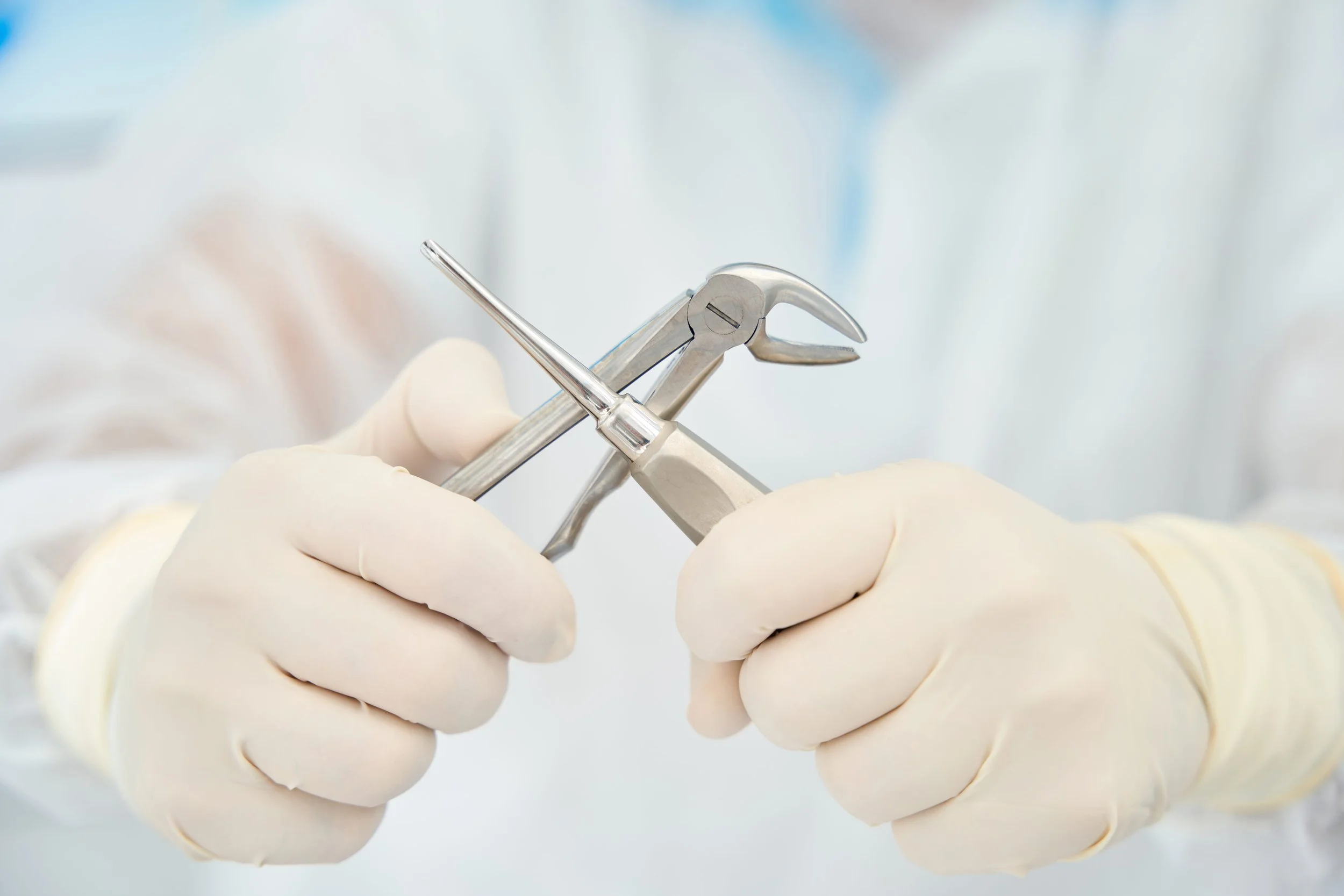
What Happens During a Tooth Extraction Appointment?
Your visit begins with an exam and x-rays to diagnose the problem and confirm whether an extraction is needed. We thoroughly review our findings with you and talk through your options before moving forward.
We then discuss the cost of your procedure prior to starting treatment. We do not like unpleasant surprises and bills any more than our patients do! We will answer all of your questions and do everything we can to maximize the use of your insurance benefits. If you don’t have insurance, don’t worry! We have an excellent membership plan that significantly reduces your out of pocket costs. It’s important to us that everyone has access to care.
Our priority is your comfort. We use local anesthesia to numb the tooth, gums, and surrounding area. If you feel anxious, which is very common, nitrous oxide or an oral anti-anxiety medication may be available depending on your health history and the visit plan.
Many of our Park Slope patients like to bring headphones to listen to music or a podcast during the procedure. If you forget yours, we have TVs and music in the room, just let us know what you’d like to watch or listen to.
Once the area is numb, the tooth is removed carefully and efficiently. If it was recommended that you graft the site, we will likely do so at the same time. After treatment is complete, we review aftercare instructions and outline next steps so you know what to expect and what to do next as you heal.
Simple and Surgical Extractions
The majority of extraction appointments are completed in one visit. A simple extraction is done when the tooth is fully visible, easy to access, and there is no expectation of needing to remove bone or prepare the tooth in order to make removal easier.
A surgical extraction may be needed if a tooth is broken at the gumline, hard to reach, previously root canaled, or impacted.
If your case is more complex, we will walk you through the safest approach and help coordinate care with a specialist if needed.
Supporting Natural Healing with L-PRF
For some extractions, we may recommend L-PRF (Leukocyte-Platelet Rich Fibrin) to support healing. L-PRF is made from a small amount of your own blood and is used at the surgical site to speed up and maximize your body’s natural repair process. Because it comes from your own blood, it is entirely natural and biocompatible.
L-PRF can help:
reduce post-operative discomfort
support tissue regeneration
promote and improve healing
We often use L-PRF with tooth extractions, including wisdom teeth, as well as with implants, grafting procedures, and certain gum treatments. This option is available right here in our Park Slope office at the same time as your procedure
L-PRF may be a good option if you:
Want a more comfortable healing experience
Prefer a natural approach to surgical care
Have had slower healing in the past
Are having an extraction, implant, or grafting procedure
L-PRF is not required for every case. We will explain whether it is appropriate for your procedure so you can make an informed decision.
After Your Extraction: How to Support Healing
After your extraction, we’ll give you clear, written instructions to follow at home.
Healing looks a little different for everyone, but these general guidelines help create the right environment for recovery.
For the first few days, avoid:
Smoking or using tobacco, which can interfere with healing (very important!)
Using straws or creating strong suction, which can disrupt the healing area
Vigorous rinsing or spitting
Alcohol, especially if you are taking prescribed medications
To support healing:
Follow your post-operative instructions closely
Use ice packs as directed to help with swelling
Stick to soft foods and stay well hydrated
Take medications only as prescribed
Most patients start to feel more comfortable within a few days. Healing takes time, but discomfort should gradually improve.
Please contact our office if you notice:
Bleeding that does not slow with steady pressure
Fever, a foul taste or drainage, or pain that suddenly worsens
Swelling is normal in the first few days. However, if after 3-4 days swelling starts to get much worse, give us a call.
We’re here to answer questions and help guide you through recovery.
Replacing a Tooth After Extraction
If a tooth is removed, we’ll talk through replacement options and timing so you understand what comes next. Not every missing tooth requires replacement, but in many cases restoring the missing tooth with an implant or bridge helps support and improve the lifespan of all your teeth.
Depending on your needs, options may include:
A dental implant to replace a single missing tooth
A bridge supported by neighboring teeth
A partial denture when multiple teeth are missing
We’ll review these options with you and recommend an approach based on function, long-term stability, and your overall oral health.
How Much Does a Tooth Extraction Cost in Brooklyn?
The cost of a tooth extraction varies based on several factors, including whether the extraction is simple or surgical and whether additional care is needed, like grafting. Every treatment plan is tailored to your needs and preferences, when possible.
Again, we review fees and insurance benefits with you before treatment so you know what to expect.
Tooth Extraction FAQs
-
We use local anesthesia to numb the area. Many patients feel pressure during the procedure, but not pain. Anti-anxiety options may be available depending on the visit plan.
-
We determine this through an exam and X-rays. Extraction is recommended only when the tooth cannot be treated predictably with other options.
-
Sometimes, yes. Depending on the situation, options may include a filling, crown, or root canal therapy. We review these options before recommending extraction.
-
Many extractions take under an hour. Some take 5 minutes! The exact time depends on the tooth, the location in the mouth, how complex the surgery is based on a wide variety of factors. We are always focused on delivering the safest and most efficient treatment possible.
-
A simple extraction involves a tooth that is fully visible and accessible. A surgical extraction is needed when a tooth is harder to reach, broken, or impacted and requires bone removal or prepping the tooth into smaller pieces to improve the outcomes.
-
Soft foods and plenty of fluids are best at first. We’ll give you specific guidance based on your procedure.
-
Smoking should be avoided at all costs during healing, as it can interfere with recovery and increase the risk of complications.
-
Dry socket occurs when the blood supply of the clot at the extraction site is disrupted. This results in exposed bone, which is notoriously painful. Avoid smoking, straws, and strong suction, and follow post-operative instructions closely.
-
Not always. Antibiotics are prescribed only when clinically appropriate and based on your individual situation.
-
If only local anesthesia is used, many patients can drive or walk home themselves. If oral anxiety medication is given, you will need someone to escort you home.
-
Sometimes monitoring is appropriate, but we find that problems monitored usually just means delaying treatment that will eventually be needed. We prefer patients get to choose the time for treatment, versus their teeth! We have noticed teeth like to choose the worst possible times to act up, vacations ruined by tooth pain is very common! That said, we'll carefully review whether removal is imminently necessary based on symptoms, positioning, and risk of future problems. We cater our recommendations to each patient, which means you get to also get a say as to WHEN treatment is right for you.
-
Call our office or book online, pain and especially swelling, are emergencies.