
Clear Aligner Teeth Straightening: How It Works, Who It Helps, and What to Know
Many people want straighter teeth but hesitate because of metal braces, long treatment times, or how treatment fits into daily life. The idea of wires, food limits, and frequent adjustments can feel like too much.
Others had braces years ago and noticed their teeth slowly shifting back. It can be frustrating to see changes undo themselves over time, even when oral habits stay the same.
Clear aligner teeth straightening offers a discreet, removable option for some people. It can work well in many situations, but it is not the right solution for every smile.
This guide explains how clear aligners work, what they can and cannot fix, and what matters most for good results.
What Is Clear Aligner Teeth Straightening?
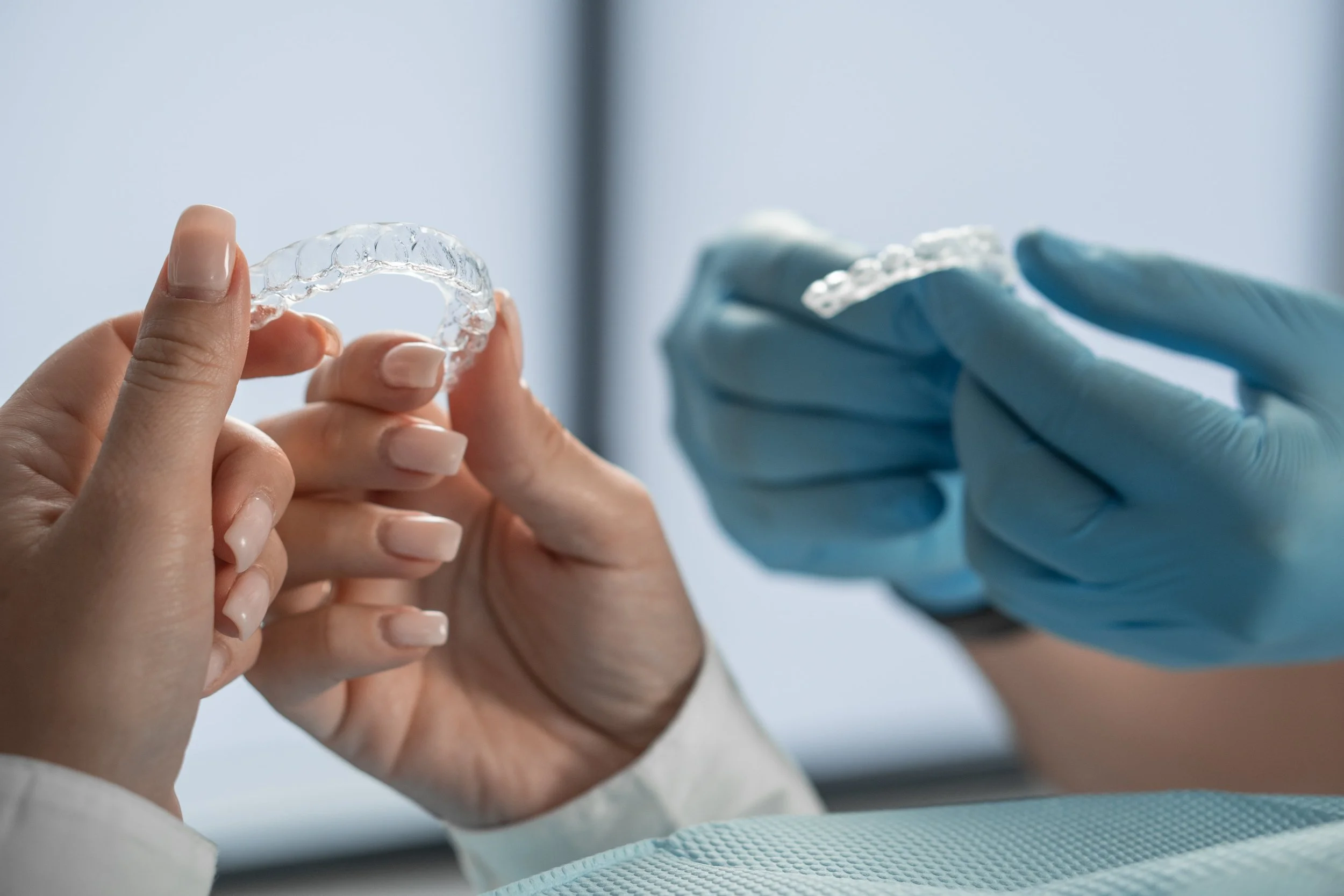
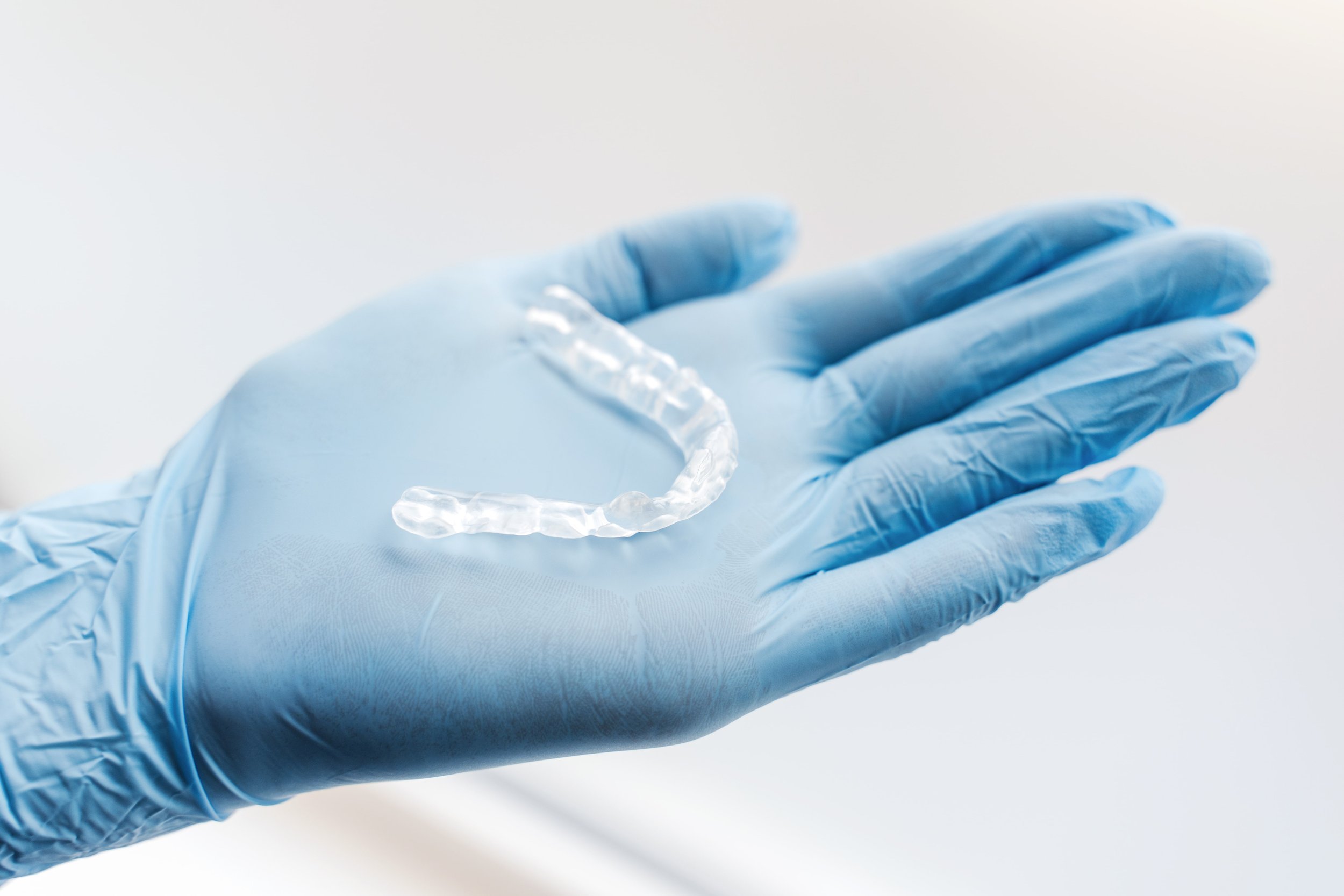
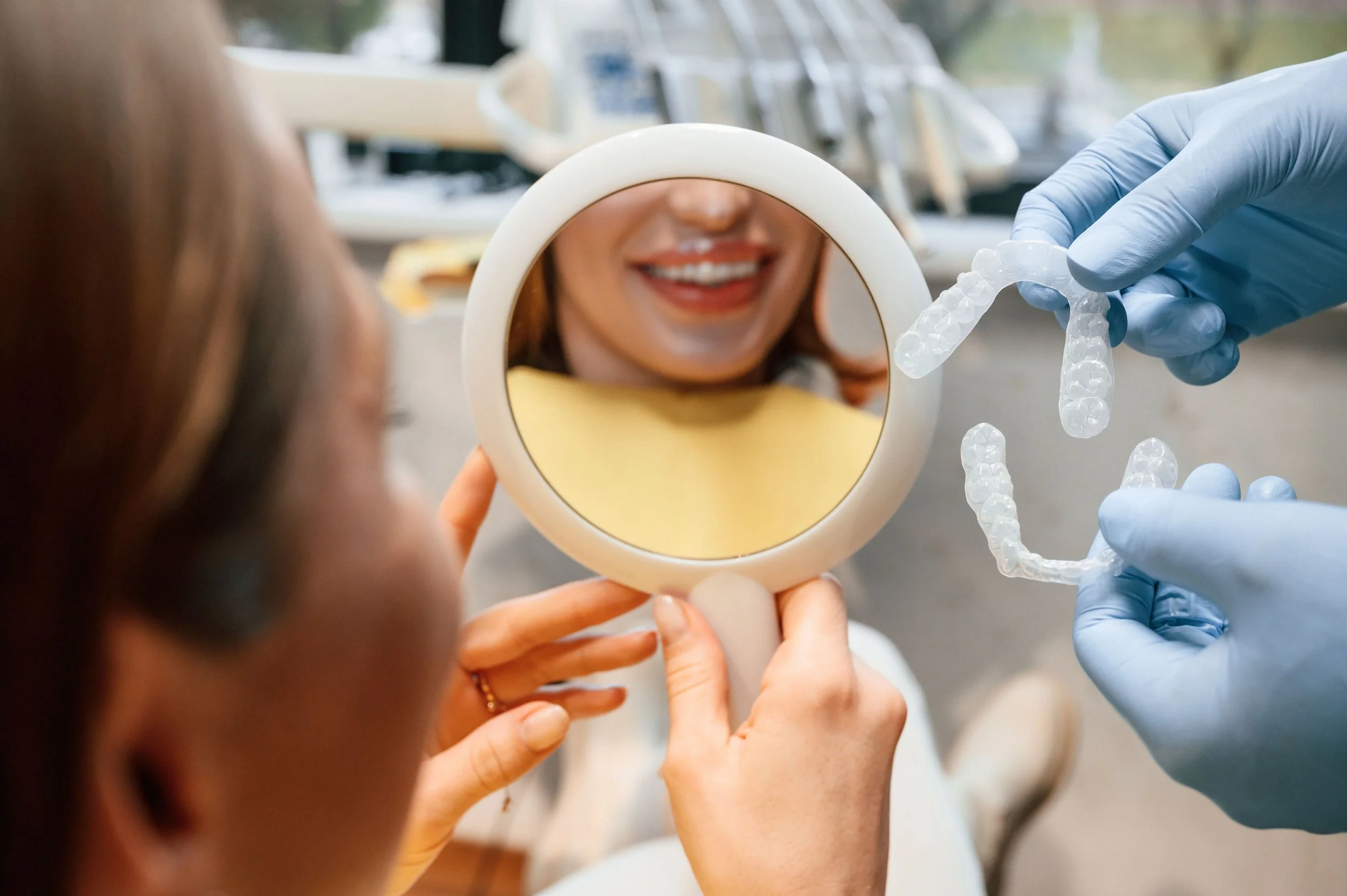
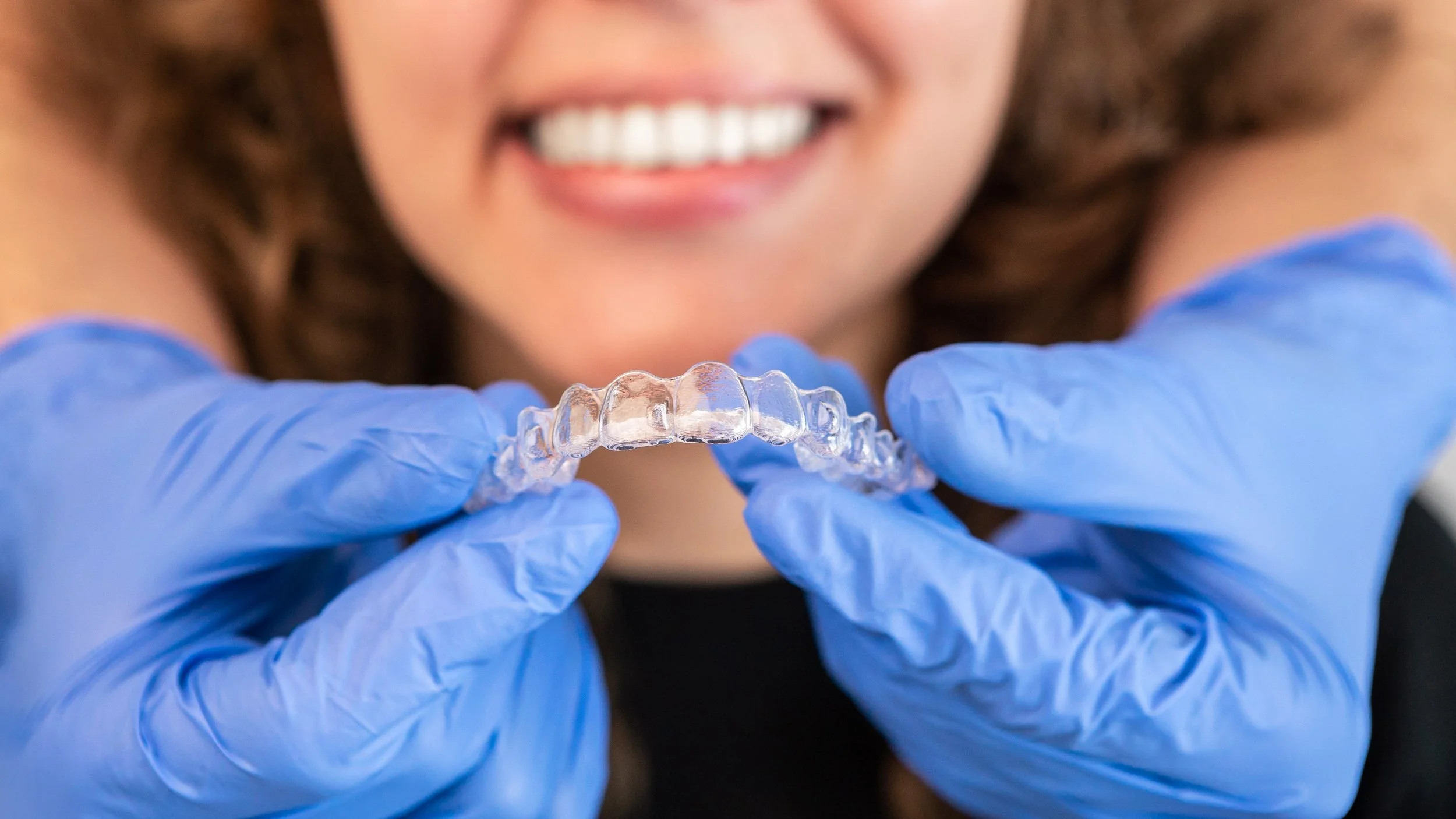
Clear aligners are custom-made, removable trays that gradually move teeth into a healthier, more ideal position. Each tray is designed from a digital plan and applies gentle pressure to guide specific tooth movements over time. They are worn most of the day and switched out every one to two weeks as treatment progresses.
How Clear Aligners Straighten Teeth
Digital planning comes first
Treatment begins with a dental exam and a digital 3D scan of your teeth. This scan creates an accurate model that shows how each tooth sits today.
From there, tooth movement is planned in small stages. Each step builds on the last, so teeth move gradually instead of all at once.
Before you ever wear your first aligner, the final position of your teeth is mapped out. That plan guides every tray in the series and helps keep treatment predictable and controlled.
A series of aligners does the work
You receive a set of clear aligners, each designed to make small adjustments. One tray at a time, teeth are guided into better positions through gentle, steady pressure.
In some cases, small tooth-colored attachments are added to help control movement and provide more predictable movement. These give the aligners something to grip when teeth need to turn or shift more precisely.
Progress happens gradually, not all at once. That slow pace is what helps keep movement comfortable and predictable.
Daily wear drives results
Clear aligners need to be worn 20 to 22 hours a day to work as planned. They should only be taken out for meals and for brushing and flossing. The trays apply pressure only while they are in place. Skipping wear time or leaving them out too long can slow progress or affect results.
With aligners, consistency matters more than speed. Wearing them as directed is what keeps treatment moving forward.
What Clear Aligners Can Treat Well
Clear aligners work best for teeth that need small to moderate adjustments. They are designed for controlled movement, not fast or extreme changes. When used in the right situations, they can improve both comfort and appearance.
Clear aligners are often used to treat:
Mild to moderate crowding, where teeth overlap or feel tight but do not require major jaw or bite changes
Mild to moderate spacing, including gaps that trap food or affect how teeth come together
Relapse after past orthodontic treatment, which is common years after braces, when retainers are no longer worn
Certain bite issues, such as mild overbites or crossbites, when tooth movement alone can improve function
Clear aligners are planned to move teeth gradually and predictably. Results depend on the starting position of the teeth, the health of the supporting bone, and how consistently the aligners are worn each day.
When Clear Aligners May Not Be the Best Choice
Clear aligners are a useful tool, but they are not designed for every orthodontic problem. Some cases require more control than removable trays can provide.
Clear aligners may not be the best option for:
Severe bite problems, where the way the upper and lower teeth fit together needs major correction
Large vertical tooth movements, such as teeth that need to be raised or lowered significantly
Significant rotations or jaw discrepancies, where teeth or jaws are far out of position
In these situations, traditional braces or other orthodontic approaches may be more predictable and effective. A thorough exam is the only way to determine which option will lead to stable, long-term results.
If you’re unsure whether clear aligners are the right fit for your teeth, a free orthodontic consultation can help you understand your options and next steps.
How Long Does Clear Aligner Teeth Straightening Take?
Treatment time varies based on how much movement your teeth need and how consistently you wear the aligners.
Minor corrections can take as little as 6 months
Average cases often fall between 12 and 18 months
More complex cases may require a longer timeline
Clear aligners work best when worn as directed. Inconsistent wear can slow progress and extend treatment time.
Comfort, Daily Life, and Maintenance
Most people notice mild pressure when they switch to a new set of aligners. This feeling is expected and usually fades within a day or two as the teeth adjust.
Because there are no wires or brackets, aligners are generally easier on the cheeks and lips. Many patients find them more comfortable than traditional braces.
Daily habits matter. Aligners need to be removed for meals, and teeth should be brushed before putting them back in. The trays also need regular cleaning to prevent buildup and odors.
Clear aligners can fit well into daily life, but they do require discipline. Consistent care and wear are what keep treatment on track.
Clear Aligners vs Braces: A Simple Comparison
Clear aligners and braces both straighten teeth, but they work in different ways. Choosing between them depends on your needs, habits, and the type of correction required.
Visibility
Clear aligners are made from transparent plastic and are less noticeable during everyday activities. Braces use brackets and wires that are visible on the teeth.
Removability
Aligners can (and should) be taken out for eating, brushing, and flossing. Braces stay in place throughout treatment and are adjusted during office visits.
Hygiene
Because aligners are removable, you can brush and floss as you normally do. Braces require extra care around brackets and wires to keep teeth clean.
Suitability by case type
Clear aligners are often used for mild to moderate alignment issues. Braces may be more appropriate for complex bite problems or larger tooth movements.
Both options can be effective when used for the right case and monitored by a dental professional.

Clear Aligner Brands and Provider-Led Care
Invisalign is the most widely known clear aligner brand, and many people use the word “Invisalign” to describe clear aligners in general. In reality, Invisalign is just one system within a larger category of aligner treatment.
Several professional clear aligner systems are available today. While the materials and design can differ, all provider-led systems rely on digital planning, staged tooth movement, and regular clinical oversight.
Some dental practices, including ours, work with Spark clear aligners, a doctor-directed system designed for clear visibility and controlled tooth movement. Regardless of the brand used, results depend far more on careful planning, ongoing monitoring, and consistent daily wear than on the name of the aligner itself.
Cost of Clear Aligner Teeth Straightening
The cost of clear aligner treatment typically falls between $6,000 and $8,000. The exact amount depends on:
how complex the case is
how long treatment takes
the level of professional oversight involved
Some dental insurance plans may cover part of the cost, especially when treatment improves function as well as appearance. Coverage varies by plan and provider.
Many offices also offer financing options to help spread payments over time. A consultation is the best way to get an accurate estimate based on your specific needs.
What to Know Before Choosing Clear Aligners
Clear aligners can be an effective option for straightening teeth when they are used in the right situations. They offer a removable and discreet approach, but success depends on careful planning, proper supervision, and consistent daily wear.
Knowing what aligners can realistically address, and where they have limits, helps set clear expectations from the start. That understanding is often what makes treatment smoother and results more stable.
Book Your Visit Today
Common Questions People Ask About Clear Aligners
-
Yes. Clear aligners can straighten teeth in many mild to moderate cases when they are worn as directed and monitored by a dental professional.
-
Some aligner systems are designed for teens. Whether aligners are appropriate depends on tooth development, growth, and a child’s ability to wear them consistently.
-
The aligners themselves are generally considered safe. However, the timing of orthodontic treatment during pregnancy should always be discussed with a dentist.
-
In some cases, improving tooth alignment may reduce bite-related strain. Clear aligners are not a treatment for headaches, and results vary.
-
It refers to limiting how long aligners are out during meals so daily wear time stays close to the recommended 20 to 22 hours.
-
The biggest challenge is consistency. Aligners only work when they are worn as directed, which requires daily discipline.